Objective
The primary objective of ECCN 2025 was to deliver a world-class international medical conference that balanced complex logistical and technical requirements with an engaging and welcoming delegate experience. The organisers required a venue capable of hosting 1,200 delegates over three days, supporting multiple concurrent activities, including a large main plenary, parallel breakout sessions, and extensive exhibition space for specialist medical machinery and live demonstrations.
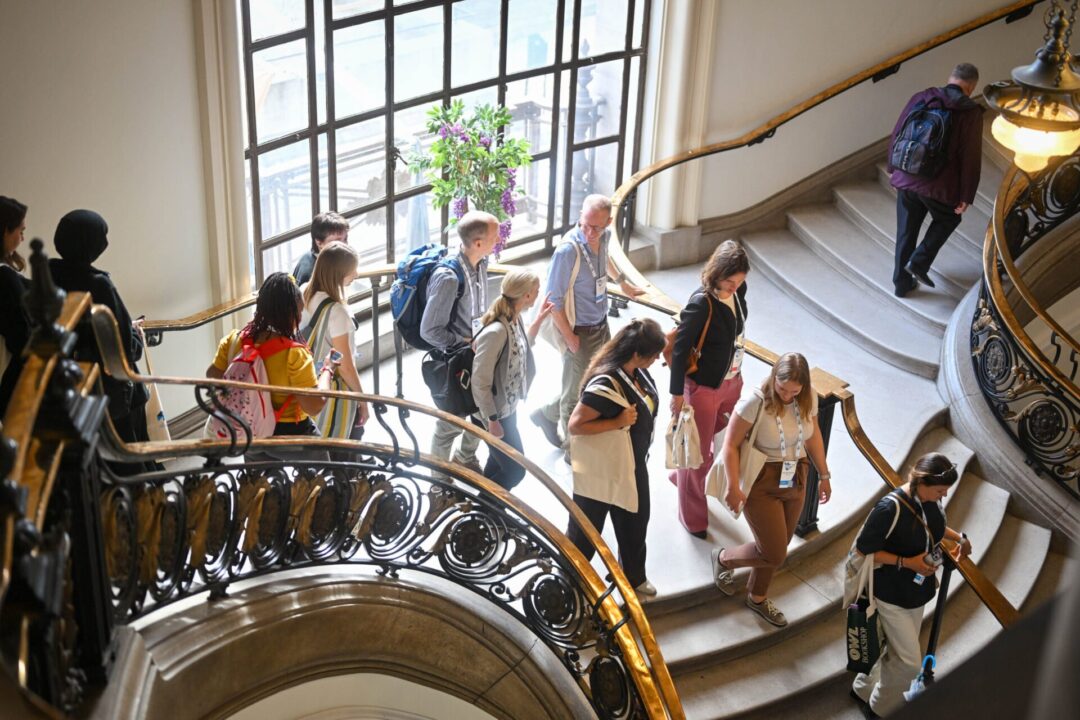
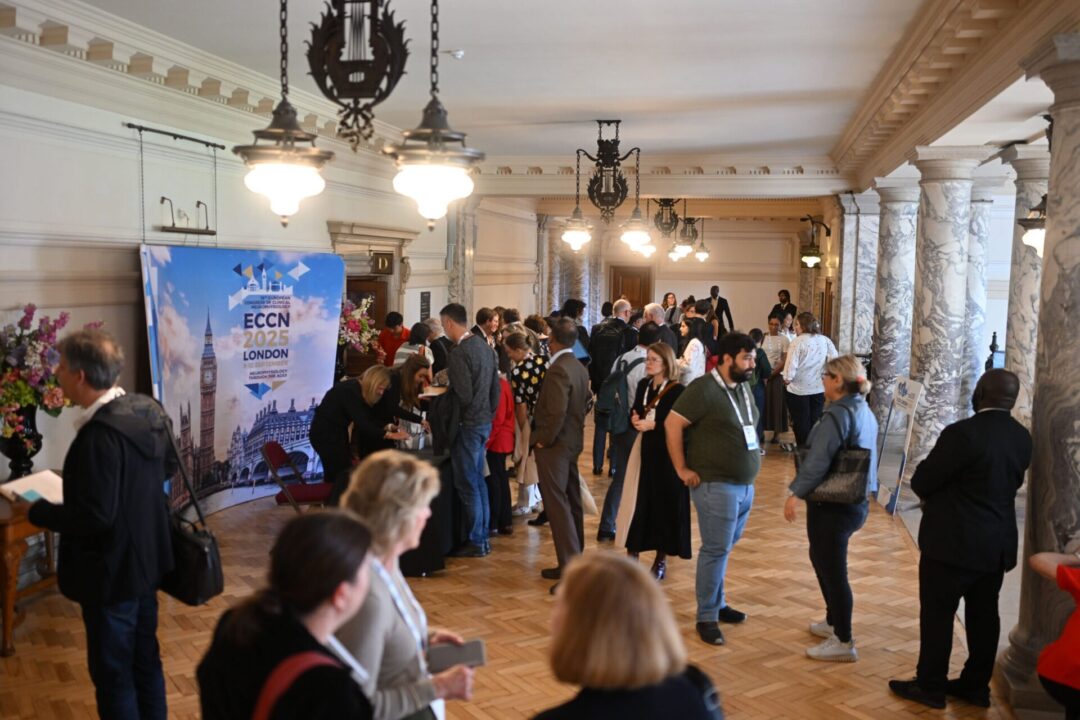
Effective crowd management was a key priority. With the entire venue in use and up to 500 people moving through the building at peak times, it was essential that delegates could navigate the space safely, intuitively, and without congestion. This included accommodating major exhibition builds in the Lecture Hall and Library, a secondary poster board exhibition within the newly opened Wesley Suite, and breakout spaces located at the rear of the building, all while preserving a calm and professional atmosphere for delegates, speakers, and exhibitors.
Supporting realistic medical demonstrations was a key objective. This involved the careful positioning of large, high-value, specialist equipment within a historic listed building, taking into account existing access routes, staircases, and corridors. Protecting both the equipment and the fabric of the building was critical.
The organisers also sought to create an environment that encouraged networking and interaction. Catering needed to be efficient and flexible, allowing delegates to eat while moving between sessions and exhibitions.
Overall, the event aimed to reflect the prestige of the association and its global audience, underpinned by high standards of service, hospitality, and operational delivery.
Execution
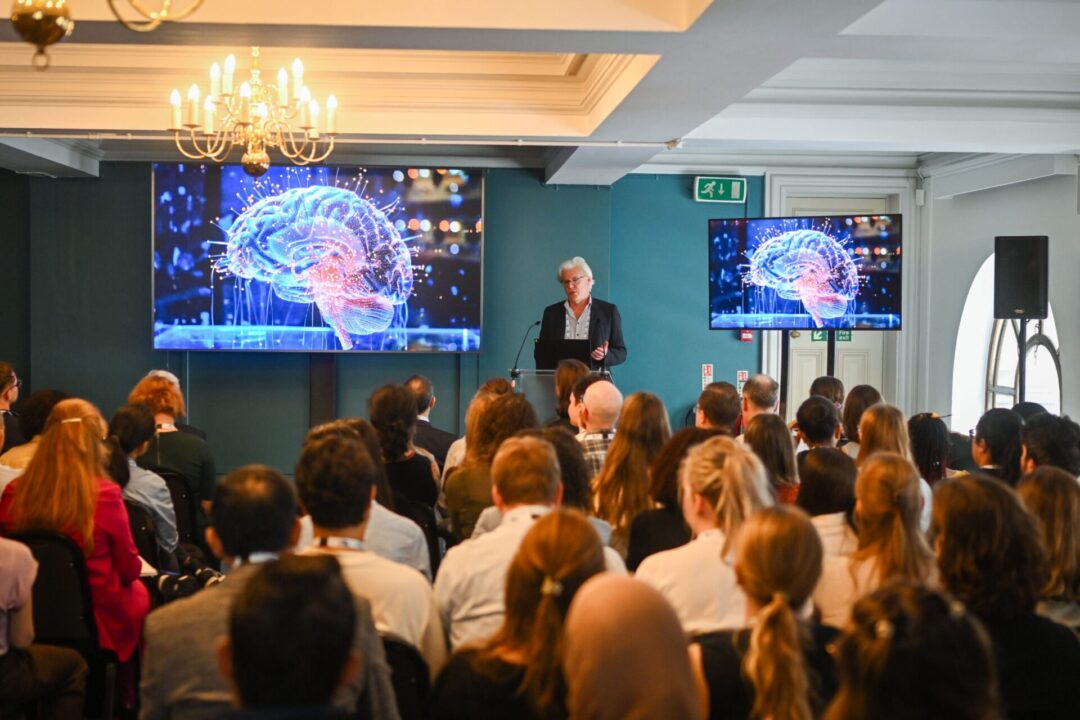
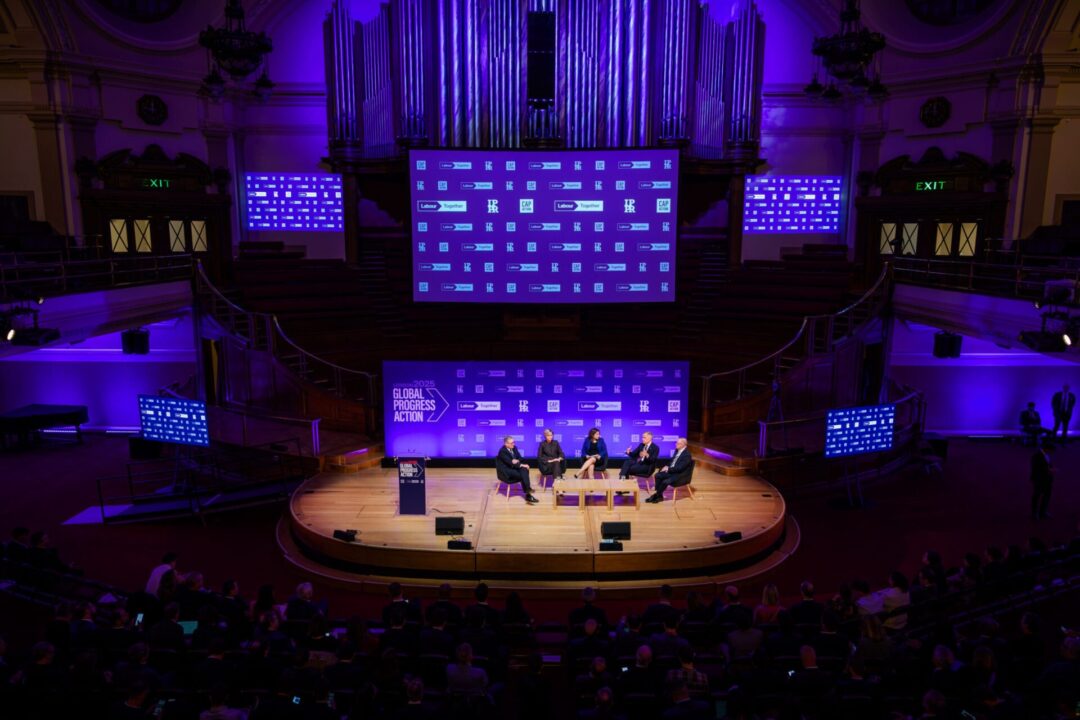
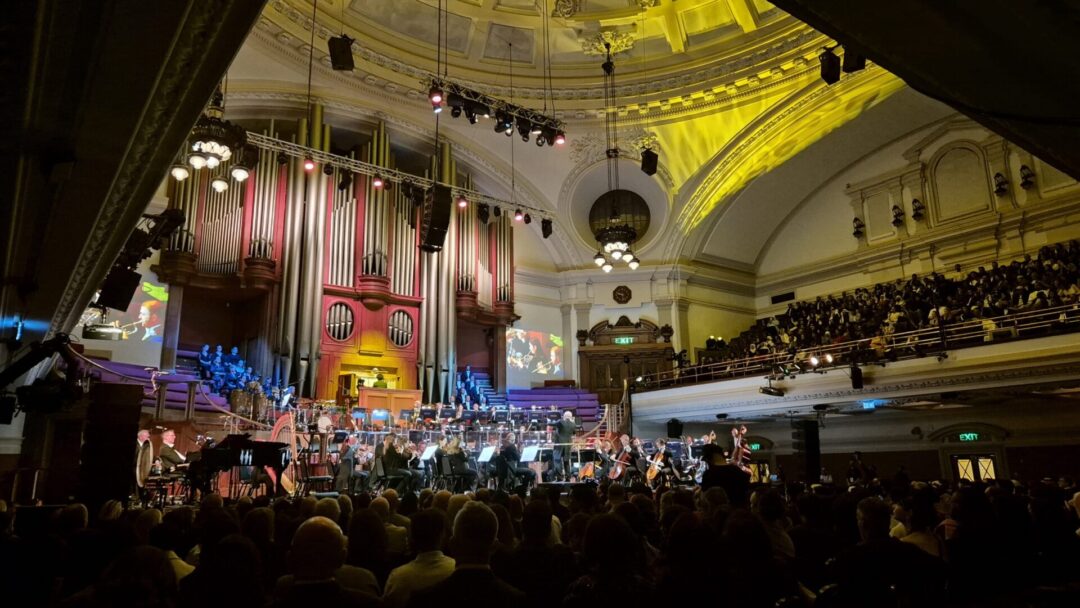
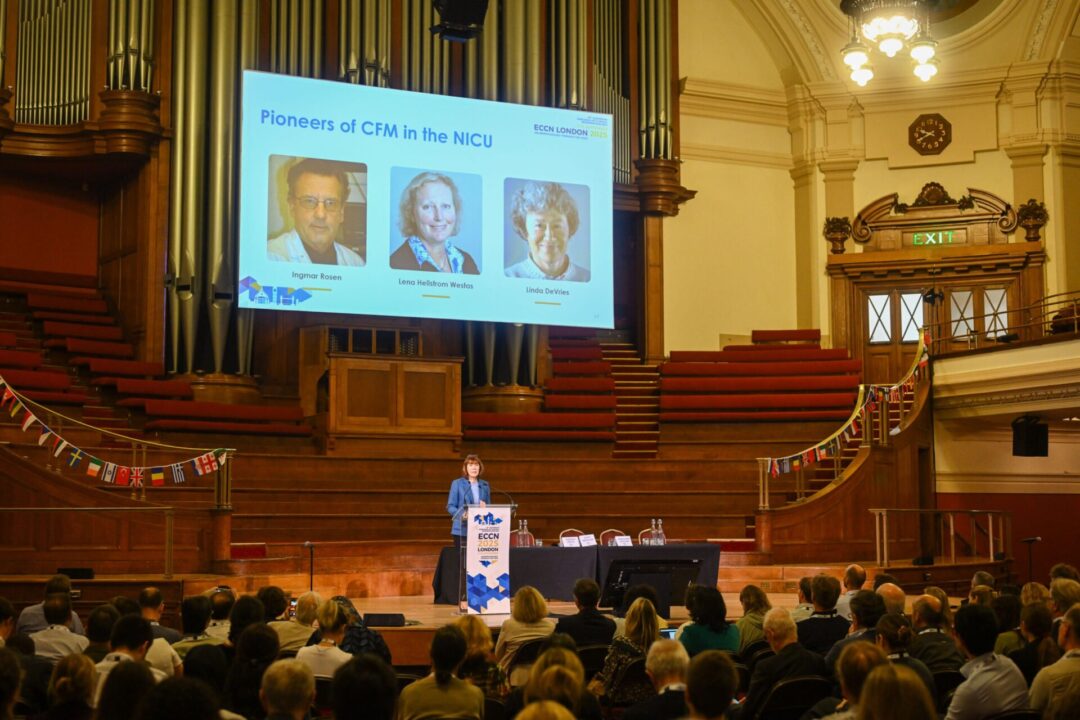
Delivering ECCN 2025 required detailed logistical planning and close collaboration between the organisers, Central Hall Westminster’s experienced events team, and suppliers. The entire building was utilised, with the Great Hall hosting the main plenary, the Lecture Hall and Library accommodating a large exhibition, breakout spaces positioned at the rear of the venue, and a second exhibition located in the brand-new Wesley Suite.
Managing movement throughout the building was a central focus of the event plan. With multiple room set-ups, exhibition stands, and specialist medical equipment being installed simultaneously, careful scheduling and zoning were implemented to prevent bottlenecks. Setup began on Monday evening and continued efficiently throughout the live event days, with teams preparing downstairs spaces while morning sessions were still taking place elsewhere in the building. This approach ensured that all areas were fully prepared and ready for use as soon as required.
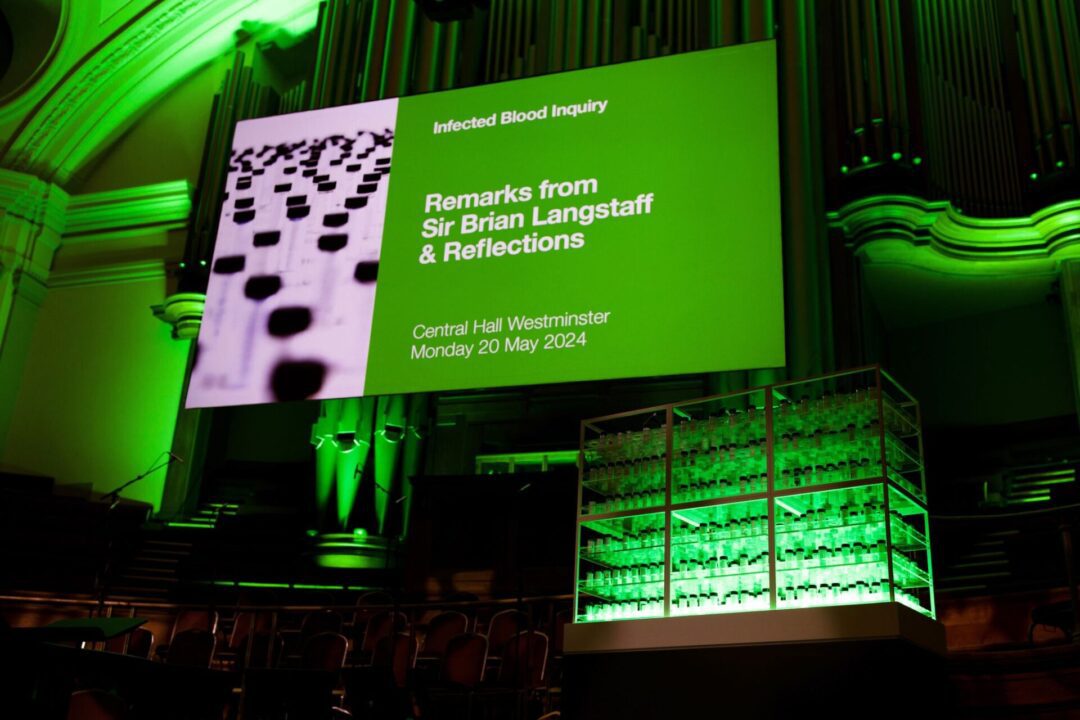
AV requirements were intentionally kept simple, with standard AV packages installed in each room. Digital signage was deployed throughout the building to support wayfinding and crowd flow. Power management was a key technical consideration, with additional capacity provided to support exhibition stands and lighting, particularly within the Lecture Hall and Library.
Catering was delivered by Green & Fortune, with tea, coffee, biscuits, and a working lunch served daily. The introduction of grab-and-go salad pots in place of traditional sandwiches proved highly effective, improving service speed, reducing congestion, and supporting networking within busy exhibition spaces.
Results
ECCN 2025 was delivered successfully over three full conference days, meeting all logistical, operational, and experiential objectives. Despite the complexity of hosting a large-scale international medical conference within a historic listed building, the event ran smoothly, with clear navigation, steady crowd flow, and minimal disruption throughout the venue.
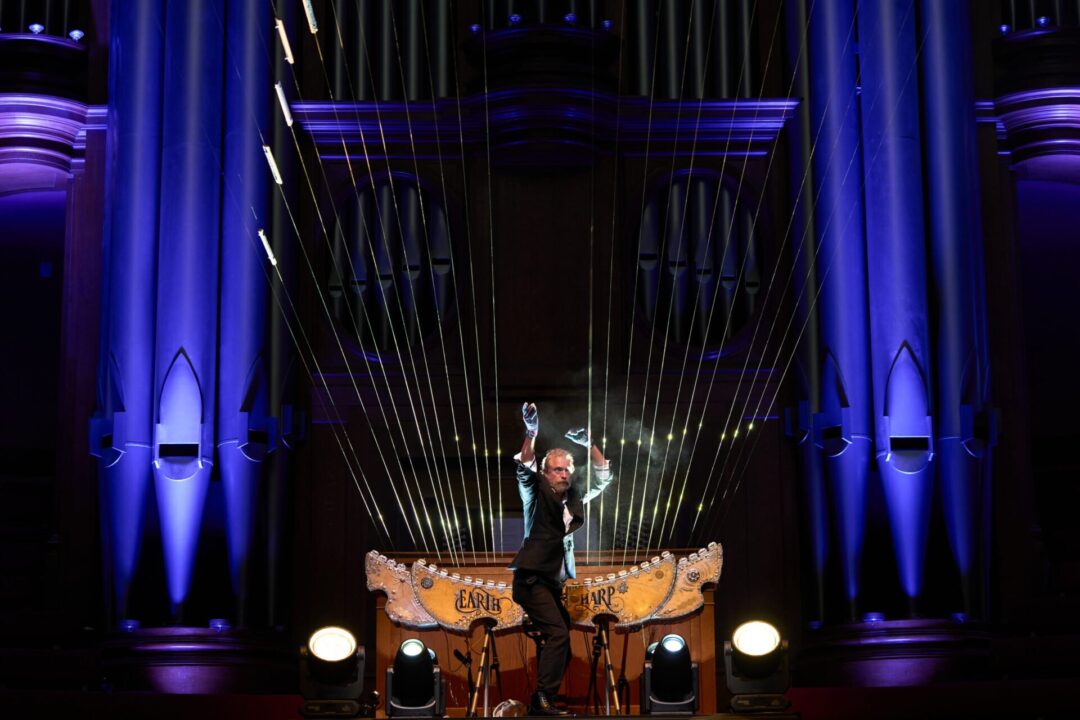
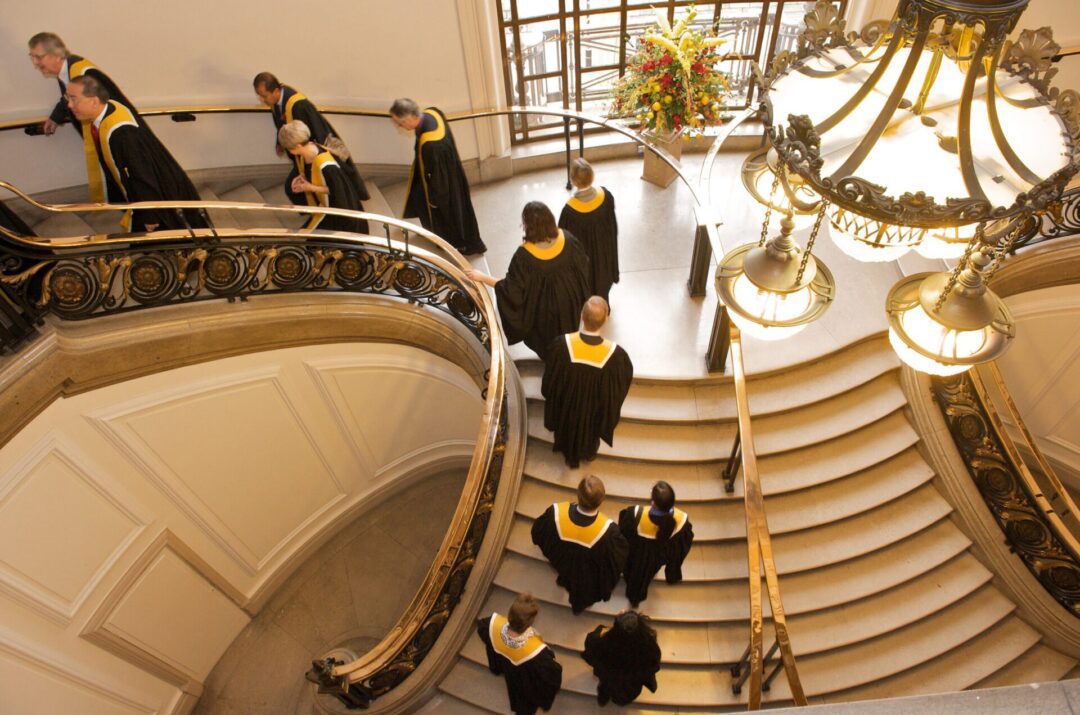
Delegates responded very positively to both the event and the setting. The charm, character, and grandeur of Central Hall Westminster became a frequent talking point, reinforcing the organisers’ aim of providing a memorable and distinctly British experience. The venue’s ability to support plenaries, parallel sessions, and exhibitions simultaneously was highlighted as a key strength, particularly for association-led events.
Operationally, the combination of a tightly timed agenda, effective stewarding provided by the organisers, and supportive venue infrastructure ensured that delegates moved efficiently between sessions without confusion or congestion. Digital signage and well-planned catering layouts further enhanced the overall delegate experience.
Following the event, the organisers expressed strong satisfaction with the support provided by Central Hall Westminster. Danielle Davy, Operations Director from World Span (the events organiser) commented: “We would certainly recommend Central Hall Westminster to our clients and already have another enquiry in place to host a smaller hybrid event in January 2026. The team were outstanding — not only the event staff, but every single member of the team, from security to cleaners and catering staff. It is rare to work with a venue where the service is to such a high standard.
“After site inspecting Central Hall during the planning stages, it was a clear winner. The building itself is beautiful and full of character, and its location is outstanding for an international audience travelling from over 65 countries. We wanted to welcome delegates to the city with a strong cultural feel, and Central Hall fit the brief perfectly.”